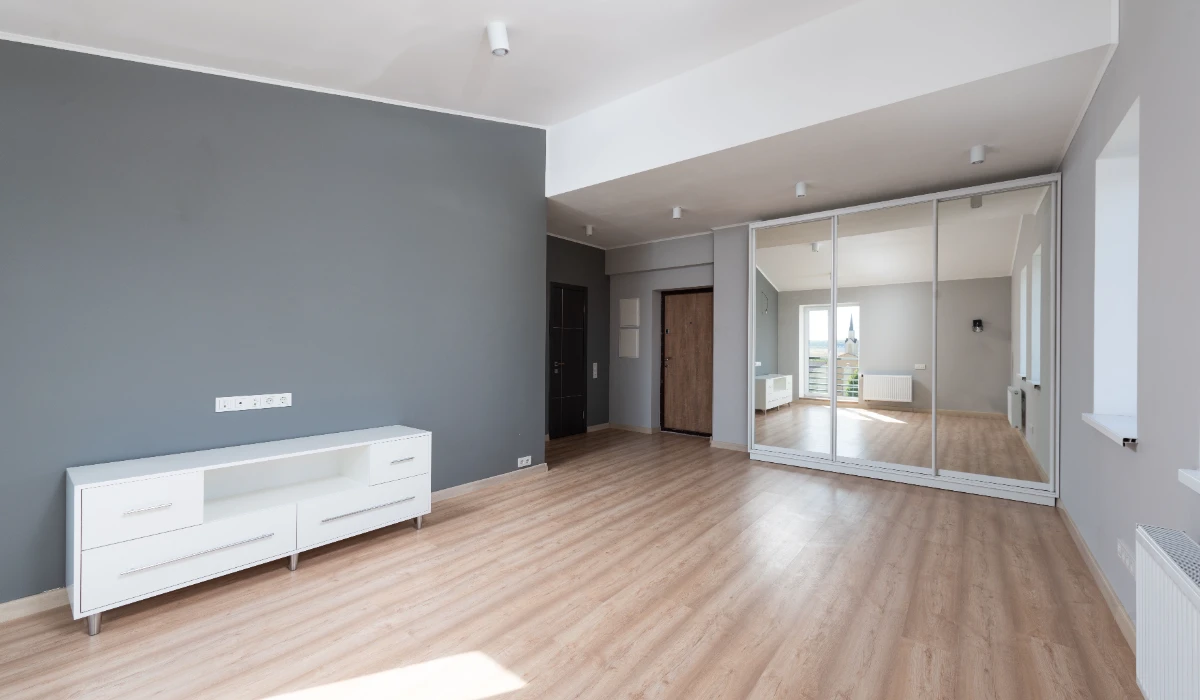
Learning how to redesign a room without renovation is one of the smartest ways to improve your home without breaking walls, hiring contractors, or spending a large budget. Many rooms feel outdated not because they need construction, but because the layout, lighting, colors, furniture, and decor no longer work together.
A room redesign can be simple, affordable, and highly effective when you follow the right process. With better planning, smart styling, and a few practical upgrades, you can make a tired space feel fresh, functional, and beautiful without a major remodel.
What Does Room Redesign Without Renovation Mean?
Redesigning a room without renovation means improving the look, comfort, and function of a space without structural changes. You are not moving walls, replacing flooring completely, or changing plumbing and electrical systems.
Instead, you focus on flexible updates such as furniture arrangement, paint, lighting, storage, textiles, wall decor, and styling. This approach is ideal for homeowners, renters, and anyone who wants a new look without a long construction project.
Why Redesign Before Renovating?
Before spending thousands on renovation, it is smart to understand what is actually wrong with the room. Sometimes the problem is not the room itself but poor furniture placement, weak lighting, clutter, or outdated finishes.
When you know how to redesign a room without renovation, you can solve many visual and functional problems first. This helps you avoid unnecessary expenses and gives you time to decide whether a renovation is truly needed later.
Start With a Clear Room Goal
Every successful redesign starts with a purpose. Ask yourself what the room needs to do better: feel cozier, look brighter, provide more storage, improve seating, or become easier to use every day.
A living room may need better conversation seating, while a bedroom may need a calmer color palette. A clear goal keeps your design choices focused and prevents random purchases that do not improve the space.
Common Room Redesign Goals
Some rooms need style updates, while others need better function. The best redesign usually improves both at the same time.
Common goals include:
- Making a small room feel larger
- Updating a dated room on a budget
- Creating better storage
- Improving natural and artificial lighting
- Making furniture layout more practical
- Adding warmth, texture, and personality
Set a Realistic Redesign Budget
A budget helps you decide what to change first and what can wait. You do not need a huge amount of money, but you do need a plan so small purchases do not add up without improving the room.
Divide your budget into must-have updates and nice-to-have details. For example, a new rug or light fixture may change the room more than several small decorative items.
| Redesign Area | Budget-Friendly Option | Higher-Impact Option |
|---|---|---|
| Walls | Paint one accent wall | Repaint the full room |
| Lighting | Change bulbs | Replace fixture and add lamps |
| Furniture | Rearrange existing pieces | Replace one main item |
| Storage | Baskets and shelves | Modular storage unit |
| Decor | New pillows and art | Rug, curtains, mirror, and styling |
| Windows | Lightweight curtains | Custom-looking layered treatments |
Declutter Before You Decorate
Decluttering is the cheapest way to begin how to redesign a room without renovation. A dated room often looks worse when surfaces are crowded, furniture is blocking movement, and decor has no clear purpose.
Remove everything that does not belong, then clean the room properly. Once the space feels open, it becomes much easier to see what needs to change.
Keep Only What Supports the Room
Do not keep items only because they have always been there. Keep furniture, decor, and accessories that support the room’s function, comfort, or style.
This step also helps you avoid buying unnecessary things. Sometimes removing five items improves a room more than adding ten new ones.
Create a Simple Mood Board
A mood board helps you understand the look you want before spending money. You can use Pinterest, screenshots, magazine images, or photos of rooms that feel similar to your goal.
Look for repeated patterns in your inspiration. You may notice that you like warm neutrals, natural wood, soft lighting, black accents, linen textures, or modern furniture lines.
Choose a Style Direction
You do not need to follow one strict interior design style. In fact, rooms often look better when they feel collected rather than copied from one store.
Choose a main direction such as modern cozy, coastal casual, warm minimal, farmhouse, traditional, organic modern, or classic neutral. Then add personal details so the room feels like your home.
Measure the Room and Make a Layout Plan
A beautiful room will not work if the furniture does not fit. Measure the room, doors, windows, walkways, outlets, and existing furniture before making changes.
This is an important step in how to redesign a room without renovation because layout affects comfort more than decor. A better furniture arrangement can improve traffic flow, conversation, storage, and balance without costing anything.
Furniture Spacing Rules
Leave enough space for people to move comfortably. In living rooms, keep about 14 to 18 inches between the sofa and coffee table, and allow 30 to 36 inches for main walkways.
In bedrooms, try to keep walking space around the bed and avoid oversized nightstands in tight areas. Good spacing makes the room feel intentional and easier to use.
Rearrange Furniture for Better Flow
Before buying anything new, move your existing furniture around. Try pulling furniture away from walls, angling chairs toward conversation areas, or shifting the bed to a stronger focal wall.
A new layout can make the room feel completely different. This is one of the most effective methods for anyone learning how to redesign a room without renovation on a low budget.
Identify the Room’s Focal Point
Every room needs a visual anchor. This could be a fireplace, TV wall, bed, window, large artwork, built-in shelving, or a statement mirror.
Once you identify the focal point, arrange furniture and decor around it. A room without a focal point often feels scattered, even when the furniture and colors are nice.
Refresh Walls With Paint or Peel-and-Stick Options
Paint is one of the most powerful non-renovation updates. A fresh wall color can make a room feel cleaner, brighter, warmer, or more modern.
If you cannot paint, use peel-and-stick wallpaper, removable wall panels, or large-scale artwork. These renter-friendly room makeover ideas create impact without permanent changes.
Choose Colors Carefully
Test paint samples in morning, afternoon, and evening light before choosing. A color that looks soft on a sample card can appear much stronger when applied to a full wall.
Neutral colors such as warm white, beige, greige, taupe, and soft gray are flexible. Muted greens, blues, terracotta, and deep charcoal can also work well when balanced with the right furniture and lighting.
Upgrade Lighting for Instant Atmosphere
Lighting can completely change how a room feels. Many dated rooms look flat because they depend on one overhead light.
Layered lighting is a key part of how to redesign a room without renovation. Use a mix of ceiling lights, floor lamps, table lamps, wall sconces, and accent lights to create warmth and depth.
Use the Right Bulb Temperature
For bedrooms and living rooms, warm white bulbs around 2700K to 3000K usually feel cozy. Kitchens, bathrooms, and work areas can use slightly brighter lighting for better visibility.
Changing bulbs is affordable but effective. It can make paint colors, furniture, and decor look more natural and inviting.
Replace Small Hardware and Fixtures
Small details can make a room look old or updated. Cabinet knobs, drawer pulls, door handles, curtain rods, switch plates, and faucets all affect the final appearance.
You do not need to replace everything at once. Start with the most visible hardware and choose finishes that match your room style, such as matte black, brushed brass, chrome, bronze, or nickel.
Use Rugs to Cover and Define the Space
If you dislike your flooring but cannot replace it, use a rug. Rugs add warmth, color, pattern, texture, and comfort while hiding unattractive floors.
Choose the largest rug that fits your layout. In a living room, at least the front legs of the sofa and chairs should sit on the rug for a grounded look.
Update Curtains and Window Treatments
Old blinds and heavy curtains can make a room feel dated. Lightweight curtains, roman shades, bamboo shades, or simple linen panels can instantly soften the space.
Hang curtains higher and wider than the window frame to make ceilings feel taller and windows look larger. This simple trick gives the room a more polished designer look.
Improve Storage Without Built-In Renovation
Storage is often the reason a room feels messy. Instead of building permanent cabinets, use modular storage, floating shelves, baskets, bookcases, storage benches, or sideboards.
This is a practical part of how to redesign a room without renovation because it improves daily function. A room that stores items properly always feels calmer and more finished.
Add Mirrors to Brighten and Expand the Room
Mirrors reflect light and make rooms feel larger. They are especially useful in small bedrooms, narrow entryways, dark living rooms, and bathrooms.
Place mirrors opposite or near windows when possible. A framed mirror can also work as wall decor and create a stronger focal point.
Bring in Larger Decor Instead of Too Many Small Items
Many small decor pieces can make a room feel cluttered. Larger, fewer pieces usually create a more expensive and intentional look.
Use one large piece of art instead of many tiny frames, or one large lamp instead of several weak accessories. This makes the room feel cleaner and more balanced.
Mix Old and New Pieces
A room looks more personal when it includes a mix of old and new items. Combine modern furniture with vintage art, thrifted decor, family pieces, or natural materials.
Avoid buying everything from one store or one collection. Mixing materials and eras adds depth and prevents the room from looking flat or showroom-like.
Add Texture for Warmth
Texture is important when you want a room to feel finished. Use materials such as linen, cotton, wood, rattan, wool, leather, ceramic, metal, jute, and boucle.
A neutral room can still feel interesting when it has texture. Add a woven basket, soft throw, wooden table, ceramic vase, or textured curtains to create visual warmth.
Redesign With Soft Furnishings
Soft furnishings are easy to change and affordable compared to renovation. Pillows, throws, bedding, cushions, slipcovers, and curtains can shift the entire mood of a room.
For a living room, choose pillows in different sizes and textures. For a bedroom, update bedding, add layered blankets, and use cushions to create a more styled look.
Use Art to Add Personality
Wall art helps a room feel complete. You can use framed prints, canvas art, photography, textile art, or a gallery wall.
The best art does not need to be expensive. Digital downloads, thrifted frames, family photos, and handmade pieces can all work when they match the room’s color story.
Hide What You Cannot Change
Sometimes you cannot remove dated tile, old flooring, awkward outlets, or unattractive built-ins. Instead of focusing on what you dislike, disguise it smartly.
Use rugs, curtains, trays, baskets, plants, art, or furniture placement to reduce attention on dated features. This is one of the most useful tricks in how to redesign a room without renovation for renters and budget-conscious homeowners.
Add Plants and Natural Elements
Plants make a room feel alive and fresh. They add color, texture, height, and a natural softness that works with almost every interior style.
If you do not want high-maintenance plants, choose easy-care options or quality faux greenery. Pair plants with ceramic, terracotta, woven, or wooden planters for a finished look.
Focus on One Statement Piece
A statement piece gives the room character. It could be a large mirror, bold artwork, sculptural lamp, vintage chair, patterned rug, or unique coffee table.
The key is not to add too many statement pieces at once. Let one item lead the room, then support it with simpler furniture and decor.
Pros and Cons of Redesigning Without Renovation
| Pros | Cons |
| More affordable than renovation | Cannot fix major structural issues |
| Faster to complete | Some dated features may remain |
| Renter-friendly options available | Requires careful styling choices |
| Less mess and disruption | May not increase home value as much as renovation |
| Easy to update over time | Big layout problems may still need remodeling |
Common Mistakes to Avoid
The biggest mistake is buying decor before planning the room. This often leads to a space filled with nice items that do not work together.
Another mistake is ignoring scale. Oversized furniture makes a room feel cramped, while tiny rugs, lamps, and art can make the room feel unfinished.
Simple Infographic Idea
Infographic Title: How to Redesign a Room Without Renovation Formula
Step 1: Declutter and clean
↓
Step 2: Set a room goal
↓
Step 3: Create a mood board
↓
Step 4: Measure and plan layout
↓
Step 5: Rearrange furniture
↓
Step 6: Refresh walls and lighting
↓
Step 7: Add rugs, curtains, storage, and decor
↓
Step 8: Style with art, mirrors, plants, and texture
FAQs
Can I redesign a room without spending much money?
Yes, you can redesign a room with little money by decluttering, rearranging furniture, changing lighting, using existing decor differently, and adding affordable updates like pillows, curtains, rugs, and wall art.
What is the easiest way to update a room without renovation?
The easiest way is to change the layout, improve lighting, and refresh textiles. These updates are simple but can quickly change how the room looks and feels.
How do I make a dated room look modern?
Start by removing clutter, repainting walls, replacing old light fixtures, changing hardware, using a larger rug, and adding updated curtains. These changes can modernize a dated room without construction.
Can renters redesign a room without renovation?
Yes, renters can use removable wallpaper, peel-and-stick tiles, rugs, curtains, plug-in lighting, freestanding storage, mirrors, and furniture layout changes. These updates are flexible and usually reversible.
What should I update first in a room?
Start with layout and lighting because they affect the room immediately. After that, update walls, rugs, curtains, storage, and decor based on your budget.
How to redesign a room without renovation for a small space?
Use light colors, mirrors, vertical storage, slim furniture, layered lighting, and a properly sized rug. Keep only useful furniture and avoid overcrowding the room.
Do I need an interior designer to redesign a room?
No, you can do it yourself with a clear plan, measurements, mood board, and budget. However, a designer can help if you feel stuck with layout, color, or furniture choices.
How often should I redesign a room?
You do not need to redesign often. Small seasonal updates can be done anytime, but a full room refresh every few years can keep your home feeling current and comfortable.
Conclusion
Knowing how to redesign a room without renovation gives you the power to improve your home without stress, mess, or a huge budget. By focusing on layout, lighting, paint, storage, rugs, curtains, art, and texture, you can create a room that feels fresh and functional without major construction.
A successful redesign is not about buying everything new. It is about making smart choices, using what you already have, and adding the right updates in the right places. With a clear plan, your room can look beautifully transformed without renovation.